
ABOUT RAJASTHAN
Rajasthan is a state in the north western region of India. The state covers an area of 342,239 square kilometres (132,139 sq mi) or 10.4 percent of the total geographical area of India. It is the largest Indian state by area and the seventh largest by population. Rajasthan is located on the northwestern side of India, where it comprises most of the wide and inhospitable Thar Desert (also known as the "Rajasthan Desert" and "Great Indian Desert") and shares a border with the Pakistani provinces of Punjab to the northwest and Sindh to the west, along the Sutlej-Indus river valley. Elsewhere it is bordered by five other Indian states: Punjab to the north; Haryana and Uttar Pradesh to the northeast; Madhya Pradesh to the southeast; and Gujarat to the southwest.
Ancient Rajasthan
Ancient Parts of what is now Rajasthan were partly part of the Vedic Civilisation and Indus Valley Civilization. Kalibangan, in Hanumangarh district, was a major provincial capital of the Indus Valley Civilization.Stone Age tools dating from 5,000 to 2,00,000 years were found in Bundi and Bhilwara districts of the state.
Matsya Kingdom
Matsya Kingdom of the Vedic civilisation of India,is said to roughly corresponded to the former state of Jaipur in Rajasthan and included the whole of Alwar with portions of Bharatpur. The capital of Matsya was at Viratanagar(modern Bairat),which is said to have been named after its founder king Virata.
History
Bhargava identifies the two districts of Jhunjhunu and Sikar and parts of Jaipur district along with Haryana districts of Mahendragarh and Rewari as part of Vedic state of Brahmavarta. Bhargava also locates the present day Sahibi River as the Vedic Drishadwati River, which along with Saraswati River formed the borders of the Vedic state of Brahmavarta.
Modern Rajasthan
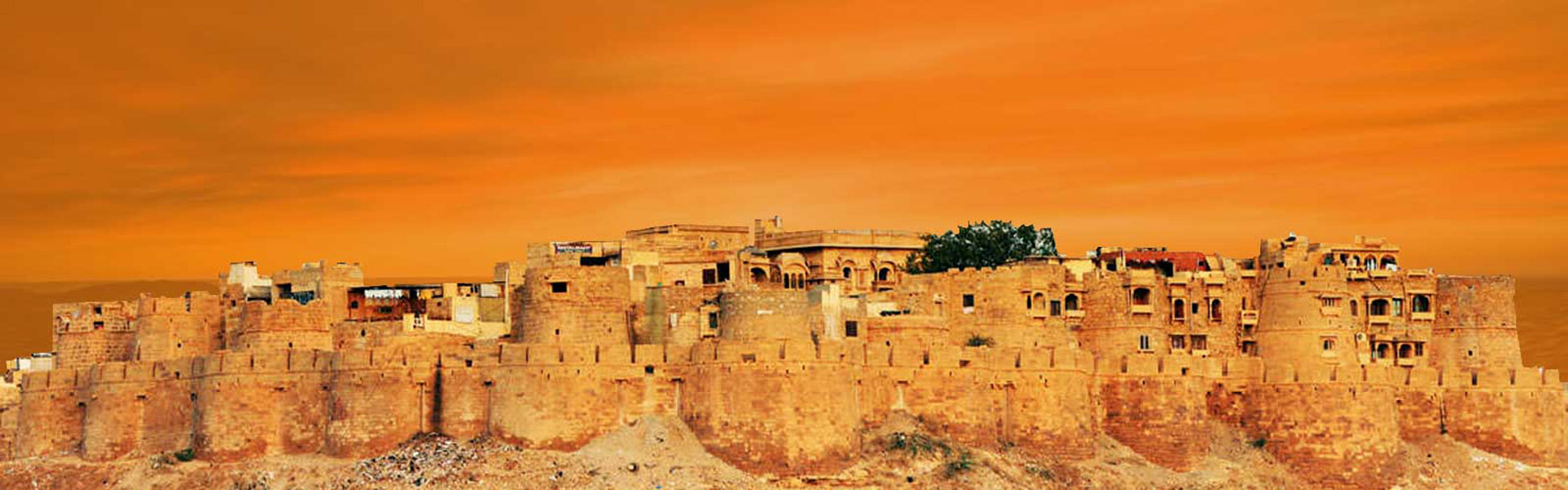
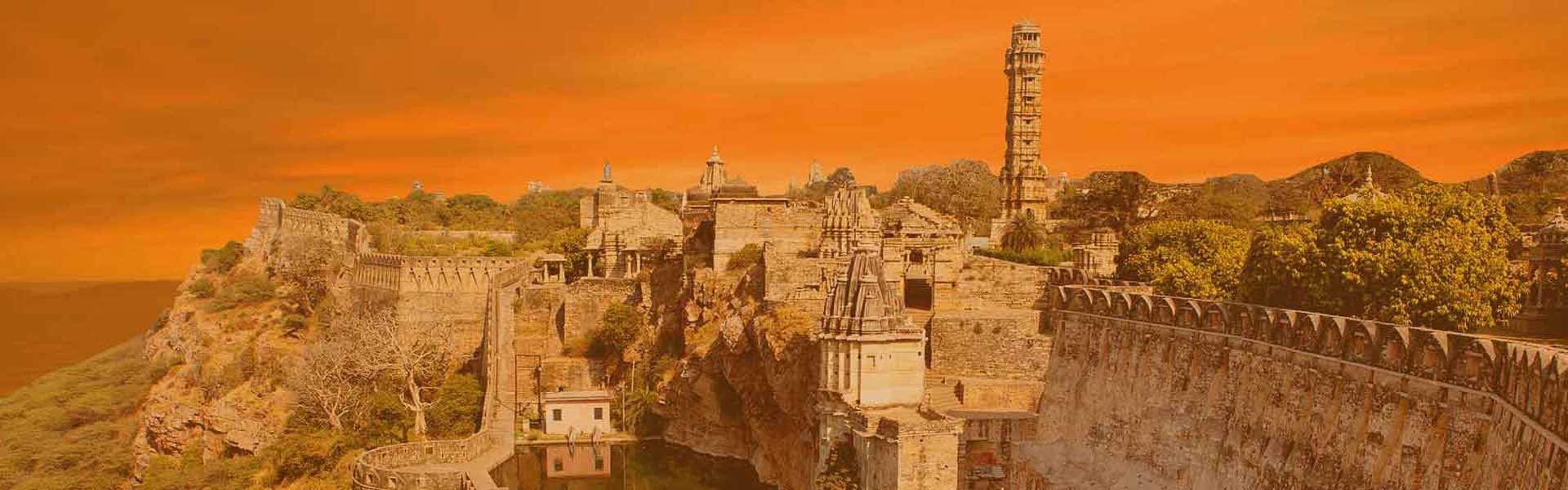
Modern Rajasthan includes most of Rajputana, which comprises the erstwhile nineteen princely states, two chiefships, and the British district of Ajmer-Merwara. Jaisalmer, Marwar (Jodhpur), Bikaner, Mewar (Chittorgarh), Alwar and Dhundhar (Jaipur) were some of the main Rajput princely states. Bharatpur and Dholpur were Jat princely states whereas Tonk was a princely state under a Muslim Nawab.
Rajput History
Rajput families rose to prominence in the 6th century CE. The Rajputs put up resistance to the Islamic invasions with their warfare and chivalry for centuries. The Rana's of Mewar led other kingdoms in its resistance to outside rule. Rana Hammir Singh, defeated the Tughlaq dynasty and recovered a large portion of Rajasthan.
Culture
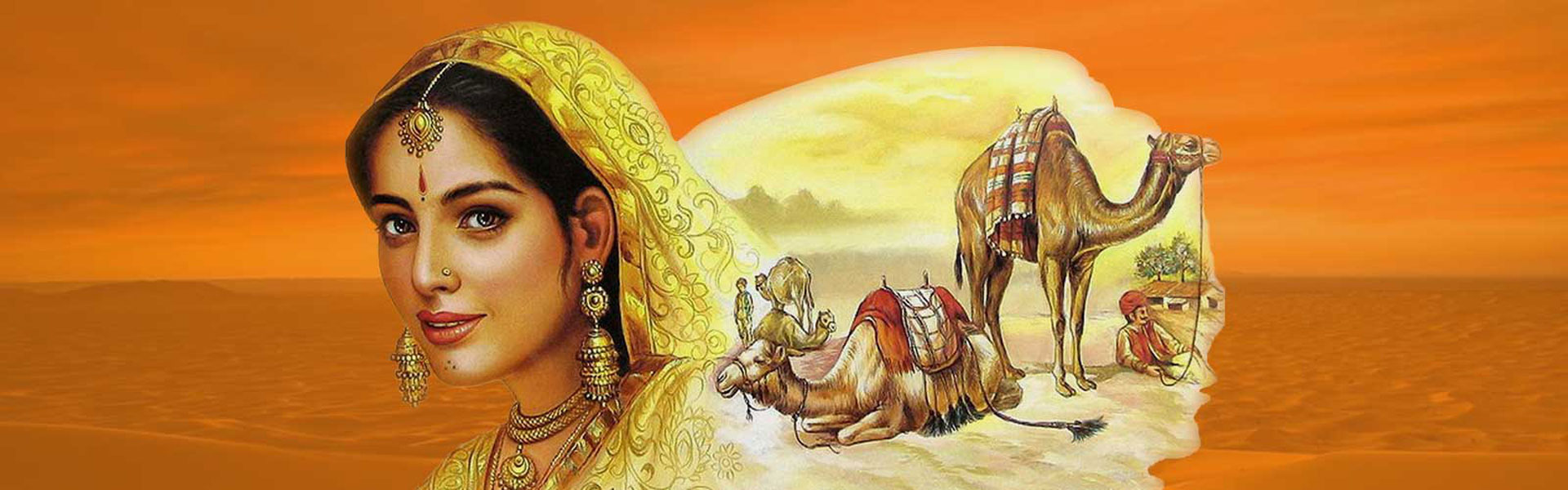
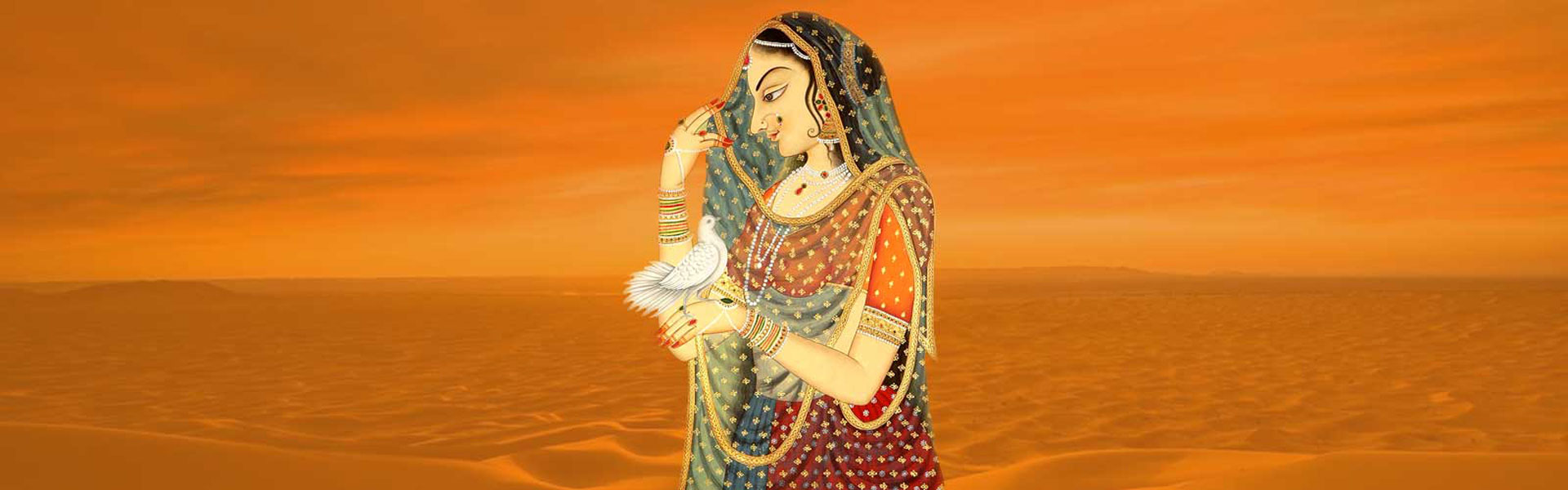
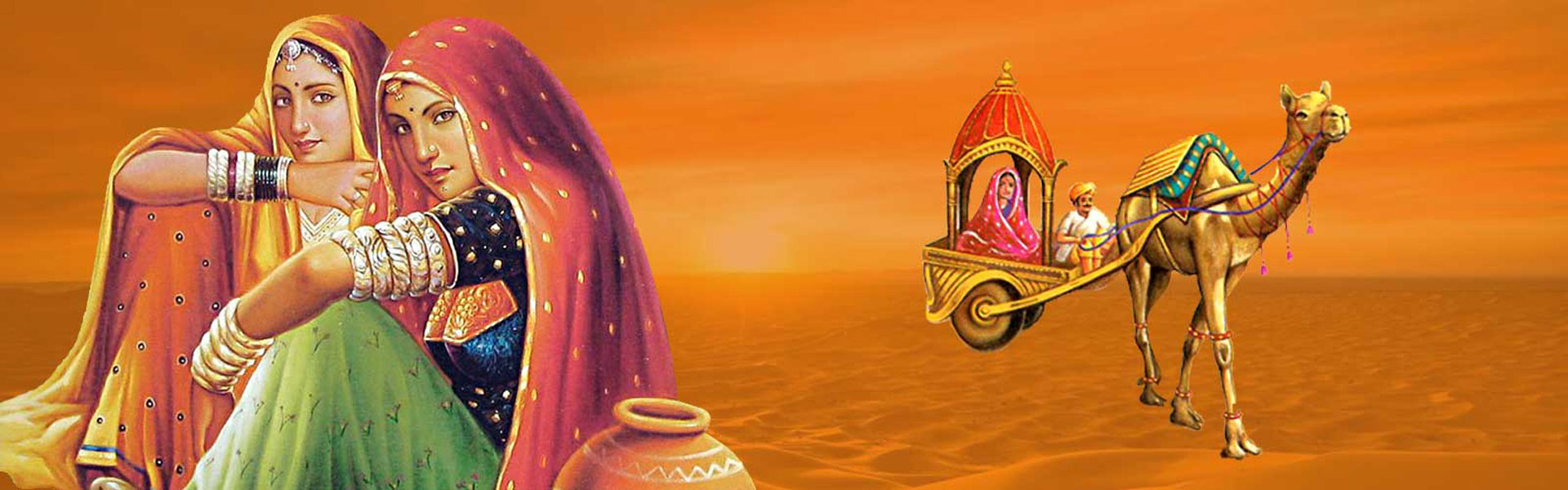
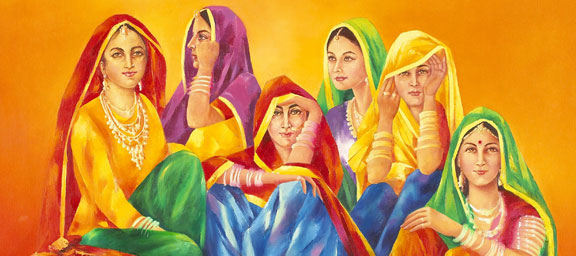
Rajasthan is culturally rich and has artistic and cultural traditions which reflect the ancient Indian way of life. There is rich and varied folk culture from villages which are often depicted as a symbol of the state. Highly cultivated classical music and dance with its own distinct style is part of the cultural tradition of Rajasthan.